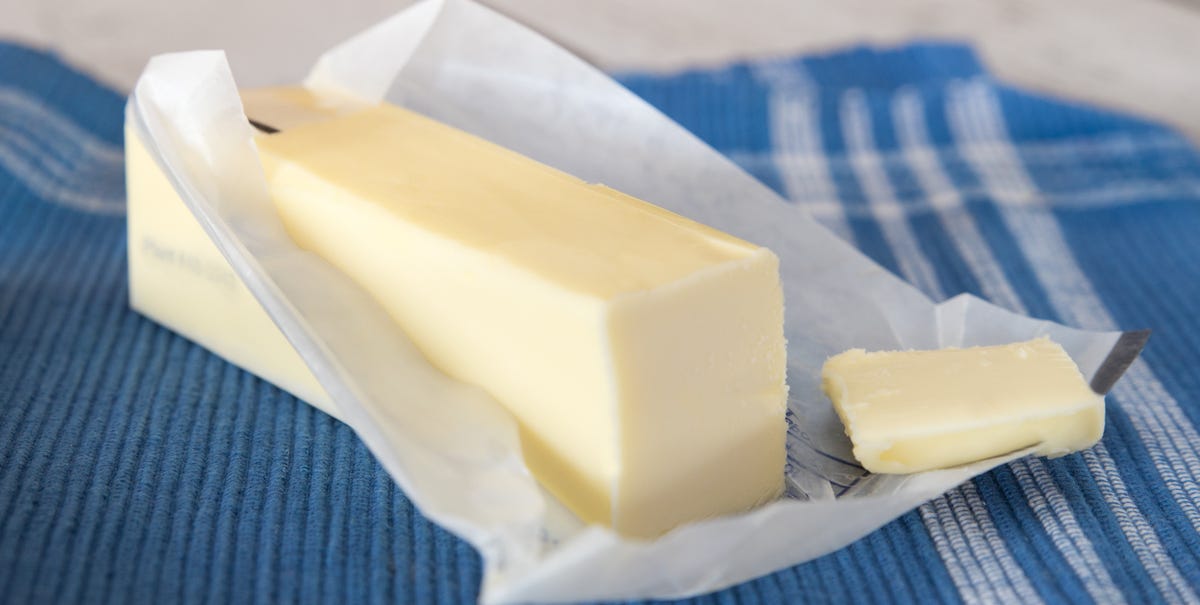
Master Softened Butter: The Secret to Baking Success Every Time
Softened butter might seem like a minor detail in a complex baking recipe, yet it holds surprising power to transform your creations. It’s the invisible ingredient that dictates whether your cookies spread into sad puddles or boast perfectly chewy centers, whether your cake is dense or delightfully airy, and whether your frosting is silky-smooth or lumpy. Forget to take it out, and you’re potentially sabotaging your efforts before the mixer even starts. Understanding how to soften butter correctly, and quickly when needed, is a fundamental skill for any baker looking to elevate their results from good to truly exceptional.
For too long, many of us have skimmed past the "softened butter" instruction, perhaps assuming "not rock hard" was good enough. But there's a science and an art to it, and mastering this one technique can unlock a whole new level of baking prowess. Whether you’re dreaming of flaky croissants, tender muffins, or a towering layer cake, the journey to perfection often begins with butter at just the right temperature.
Why Softened Butter is a Baking Game-Changer
If you've ever wondered why your cookies lacked that characteristic chewiness, your cake refused to rise, or your pie crust was less than tender, the culprit was very likely your butter. In baking, softened butter isn't merely about convenience; it's a critical component for achieving desired textures and structures. It's truly a non-negotiable step for many recipes, from elaborate holiday desserts like pecan pie bars to simple everyday treats like coffee cake muffins.
The magic of softened butter lies in its ability to interact with other ingredients, particularly sugar, during the creaming process. When butter is at the ideal temperature, it contains tiny air pockets. As you beat it with sugar, the sharp edges of the sugar crystals whip against the softened butter, forcing more air into these pockets. This process, known as aeration, creates a light, fluffy, and stable emulsion. This trapped air is what gives cakes their structure and rise, cookies their tender crumb, and frostings their creamy consistency. Without adequately softened butter, this aeration can't happen effectively, leading to:
- Dense, heavy baked goods: The lack of trapped air results in a compacted structure.
- Poor rise: Less air means less lift during baking.
- Uneven texture: Cold butter doesn't emulsify well, leading to streaks or inconsistencies.
- Gritty frostings: Sugar won't dissolve properly into cold or too-warm butter.
- Spreading cookies: Overly warm or melted butter causes dough to lose structure prematurely.
For a deeper dive into this topic, explore What Softened Butter Really Means for Perfect Baking.
The Science of Softened Butter: What it Really Means
Countless recipes specify "softened" or "room-temperature" butter, but what exactly does this translate to in practical terms? The ideal range for softened butter is generally between 65°F and 68°F (18°C-20°C). At this temperature, the butter is pliable and responsive, but still firm enough to hold its shape.
The simplest test for perfectly softened butter is the "finger test." Gently press your finger into the stick of butter. It should leave an indentation without your finger sinking straight through or feeling overly greasy. Think of it like a stick of pliable playdough – soft, but not gooey or melting. If you see an oily sheen or a separation of milk solids and fat, your butter is too warm and has likely begun to melt.
- If it's too cold: Below the ideal temperature, butter is too firm. It won't cream properly with sugar, leading to a lumpy mixture and preventing the creation of those crucial air pockets. The result? Dense cookies, heavy cakes, and a frustrating baking experience.
- If it's too warm: Above 70°F (21°C), butter starts to become oily and lose its emulsion. The fat begins to separate from the milk solids. This means it can't trap air effectively, and your dough or batter won't hold its structure. It might lead to cookies spreading too much, cakes with a greasy texture, or frostings that refuse to firm up.
Achieving this precise state is key, and while the best method involves patience, there are several clever tricks for when you're short on time.
The Gold Standard: Gentle Room Temperature Softening
The absolute best way to soften butter is to simply let it sit at room temperature on your kitchen counter for about an hour, or even longer in a very cool kitchen. This gradual process allows the butter to warm evenly from the inside out, ensuring a consistent texture throughout the entire stick. There’s no risk of uneven heating, melting, or separation, which can happen with quicker, more aggressive methods.
While this is the ideal scenario, let’s be honest: life happens. We forget to plan, or a sudden baking whim strikes at 9 p.m., leaving no time for an hour-long wait. This is where knowing a few fast-track techniques becomes invaluable. The goal remains the same: to bring the butter to that perfect 65-68°F range without melting it. If you often find yourself in this predicament, learning some quick fixes is a lifesaver.
Softening Butter in a Flash: When Time is of the Essence
When you're faced with a sudden craving for cookies or a last-minute birthday cake, waiting an hour for butter to soften simply isn't an option. Fortunately, several ingenious methods can help you achieve that perfect softened state in mere minutes, without resorting to the microwave's often-destructive power. These techniques leverage increased surface area or gentle, indirect heat to speed up the process.
1. The Grating Guru: Maximum Surface Area
This is arguably the quickest method that doesn't involve any heat, making it almost foolproof. Take your cold stick of butter and run it over the large holes of a box grater, just as you would cheese. The result is a pile of thin, delicate shreds. These tiny pieces have a much greater surface area exposed to room temperature air, allowing them to soften in just 5-10 minutes. This trick is particularly effective if you're about to cream butter with sugar, as the shredded pieces integrate very quickly.
2. The Rolling Pin Revelation: Flatten and Soften
Another excellent, heat-free method involves a bit of physical exertion. Place your cold stick of butter between two sheets of parchment paper or plastic wrap. Using a rolling pin, gently but firmly roll the butter out into a flat, thin sheet, about 1/4-inch thick. This dramatically increases the surface area, allowing the butter to come to temperature very quickly – often in under 5 minutes. Once softened, you can simply gather it back into a more manageable shape for your recipe.
3. The Hot Glass Hack: Indirect Warming
This is a favorite for its simplicity and effectiveness. Fill a tall, heat-proof glass or bowl with very hot tap water (or freshly boiled water). Let it sit for 30-60 seconds to thoroughly heat the glass, then pour out the water and quickly dry the inside of the glass. Invert the warm glass over your stick of butter on a plate. The residual heat trapped under the glass will gently and evenly warm the butter, softening it in about 5-10 minutes. Keep an eye on it to prevent melting.
4. The Water Bath Wisdom: Gentle Submersion
For a slightly more hands-on approach, you can create a gentle water bath. Cut your butter into smaller pieces (about 1-inch cubes) and place them in a heat-proof bowl. Fill a larger bowl with lukewarm (not hot!) water. Place the bowl with butter into the larger bowl, ensuring the water level is below the rim of the butter bowl. Stir the butter occasionally. The warm water will gently heat the bowl, softening the butter in 5-10 minutes. Be careful not to let any water get into the butter.
5. The Microwave Maneuver: Handle With Extreme Caution
While often frowned upon, the microwave *can* be used to soften butter in a pinch, but it requires utmost vigilance. Place the butter on a microwave-safe plate. Microwave on the LOWEST power setting (or defrost setting) for 5-10 second intervals, flipping the butter after each interval. Check it after every burst by pressing it. Stop as soon as it feels pliable. The risk of melting is very high, so proceed with extreme caution and never walk away. If you see any oily spots, it's already too warm.
For more detailed step-by-step instructions on these rapid techniques, check out Forgot Butter? 4 Fast Ways to Soften It for Baking.
Avoiding Common Softening Mistakes
Even with the best intentions, it's easy to fall into common traps when trying to soften butter quickly. Here are some pitfalls to avoid:
- Impatience with the Microwave: The number one culprit for melted butter. Never use high power, and never microwave for more than 10 seconds at a time. A few seconds too long, and you'll have a greasy mess.
- Over-Softening: Regardless of the method, if your butter becomes oily, shiny, or starts to melt, it's gone too far. Melted butter will not cream properly and will negatively impact the texture of your baked goods. If this happens, you can try refrigerating it for a few minutes to firm it up slightly, but it won't be as good as perfectly softened butter.
- Uneven Softening: Some quick methods, if not executed carefully (e.g., microwave), can leave you with butter that's soft on the outside but still cold and hard in the center. Always check the consistency throughout.
- Forgetting to Cut: If using a water bath, grating, or rolling method, don't skip the step of cutting or flattening the butter. A whole cold stick will take much longer to respond.
Conclusion: The Underrated Power of Perfectly Softened Butter
Mastering how to soften butter is a small step with immense implications for your baking. It's the silent hero behind fluffy cakes, chewy cookies, and unctuous frostings. By understanding what "softened" truly means (that sweet spot between 65-68°F) and equipping yourself with both the patience for natural softening and the smarts for quick fixes, you unlock a new level of control over your recipes.
No longer will you fear the "softened butter" instruction. Instead, you'll approach it with confidence, knowing that this seemingly minor detail is, in fact, one of the most significant contributors to your baking success. So, the next time you embark on a baking adventure, remember: perfectly softened butter is your first ingredient for perfection.
